

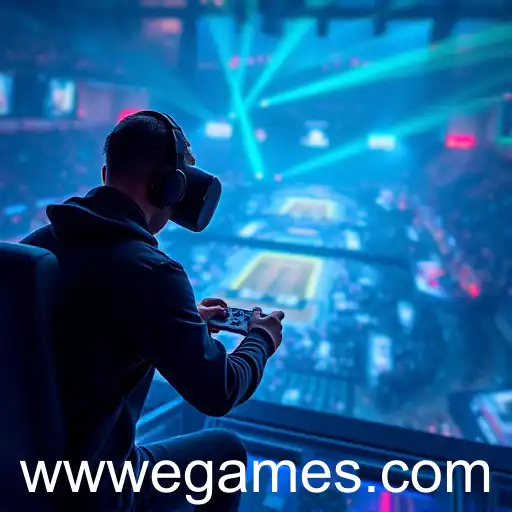

The landscape of entertainment has seen a monumental shift over the past decade, predominantly driven by the rapid advancement in technology and the increasing prevalence of the internet. A significant component of this alteration is the rise of egames, or electronic games, which have become a cornerstone of leisure activity across the globe. What was once a niche hobby sports complex narrative structures and intricate gameplay mechanics. Moreover, the demographic of egame players has broadened, now encompassing an audience of all ages and backgrounds.
In recent years, the explosion of online platforms has provided a fertile ground for the proliferation of egames. With platforms like Steam and Epic Games Store offering a vast library of titles accessible at the click of a button, gaming has moved beyond traditional retail dynamics, transforming into a digital-first industry. These platforms have not only made games more accessible; they have also introduced innovative ways of distributing content, such as early access releases where players can experience and provide feedback on games still in Development.
In addition to the commercial aspects, egames have woven themselves into the cultural fabric of society. We are seeing college esports teams forming part of traditional athletic divisions, video game soundtracks and graphics drawing the attention of critics in mainstream cultural spaces, and game narratives exploring complex themes that parallel contemporary social issues. This cultural penetration signifies a broader acceptance and understanding of gaming not as a simple pastime but as a multifaceted art form.
The impact of egames is also greatly felt in the area of community building. Multiplayer experiences have connected individuals globally, forming communities that share a unique sense of camaraderie. The thriving landscape of esports, typified by massive events such as The International for Dota 2 or League of Legends World Championship, not only showcases the competitive spirit of gaming but also illustrates its capacity to bring people together on a grand scale.
As we look forward to the future, egames continue to stand at the forefront of technological innovation. Advances in virtual and augmented reality aim to further immerse players in their gaming worlds, pushing the boundaries of what is possible. The integration of artificial intelligence into game development is also poised to revolutionize the way games are designed and played, ensuring that the future of egames remains bright and full of potential.

Exploring how egames are changing the landscape of digital entertainment through current trends and events.

Exploring the impact and evolution of eGames in the face of emerging technologies and changing user demographics.

Explore how eGames have become a significant part of entertainment, with a focus on the latest trends and technological advancements in gaming.
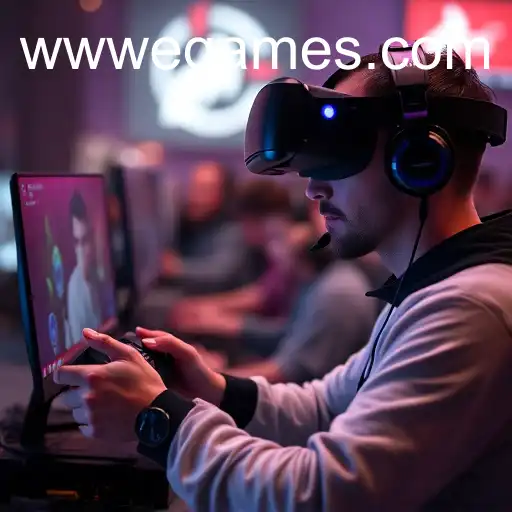
Exploring the ever-evolving landscape of egames and their impact on the gaming industry, culture, and economy.
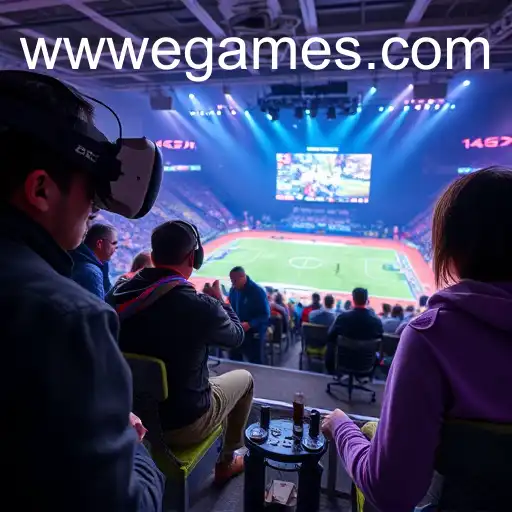
Exploring the transformative developments in the eGaming industry as it adapts to new technological advancements and shifting global dynamics.
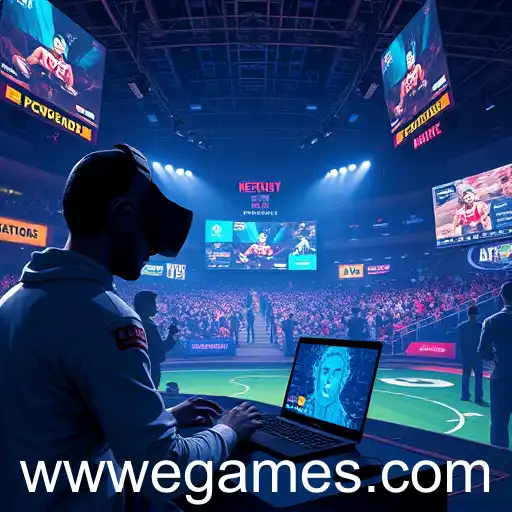
Exploring the transformative impact of eGames on culture and technology.
