


In recent years, eGames have cemented their status as a cornerstone of the entertainment industry. This evolution is fueled by technological advancements, an ever-growing community of gamers, and the increasing legitimacy of gaming as a form of competitive sport.
eGames, often synonymous with electronic games, cover a range of digital interactive experiences that include video games played on personal computers, consoles, and mobile devices. With the global gaming market projected to surpass $200 billion by the end of 2026, it holds significant sway over cultural and economic landscapes across the globe.
The transformation of eGames is palpable in the rise of esports, a domain of professional gaming that garners millions of viewers worldwide. Leading esports competitions frequently sell out arenas and are broadcasted to global audiences, rivaling traditional sporting events in terms of both viewership and revenue generation. Titles like League of Legends, Dota 2, and Fortnite dominate the scene, each boasting multi-million dollar prize pools that attract the crème de la crème of competitive players.
Commentators and industry insiders have noted the pivotal role of augmented and virtual reality technologies in shaping the future of eGames. VR headsets and AR applications have made significant strides, offering immersive experiences that blur the line between player and game. Developers are crafting more sophisticated VR-enabled titles that promise to redefine player engagement, although widespread adoption hinges on reducing hardware costs and improving accessibility.
As eGames evolve, so too does their societal perception. Once stigmatized as mere distractions, they are increasingly recognized for their potential educational benefits and capacity to foster valuable skills like strategic thinking and teamwork. Educational institutions worldwide integrate gaming into curricula, exploring its utility as an innovative teaching aid.
Yet, with these advancements come challenges, particularly in the realms of digital well-being and ethical game design. As gaming extends deeper into everyday life, industry leaders and policymakers emphasize creating frameworks that safeguard players' mental health and promote positive online interactions.
The dynamics at play in the eGames sector make it an exhilarating field to watch. With the line between players and spectators increasingly blurred, the industry's trajectory promises continued growth and innovation, securing its place as a fixture in the global entertainment zeitgeist.

Exploring the transformative impact of eGames on the gaming industry and community dynamics.

Exploring the rapid advancements in the e-games industry amid technological advancements and cultural shifts in 2025.

An in-depth exploration of the egaming landscape and its impact on modern entertainment.

Exploring the significant impact of eGames on modern entertainment culture and industry.
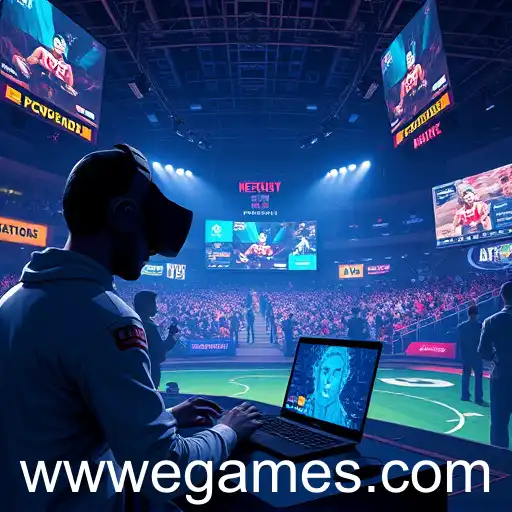
Exploring the latest trends and dynamics in the eGames industry as it continues to shape global culture and technology in 2025.

Exploring the transformative effects of virtual reality on the eGames sector in 2026.
